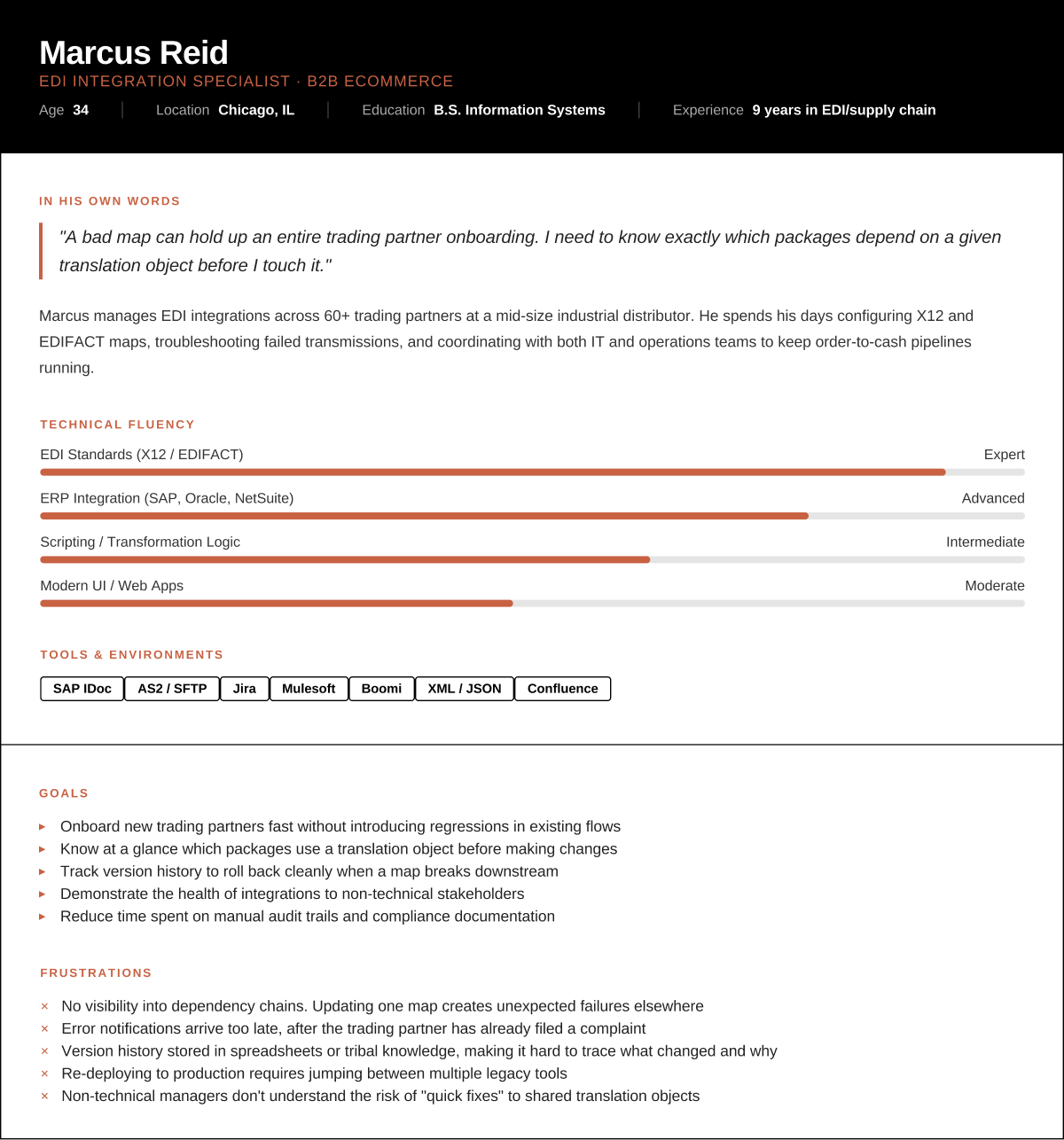
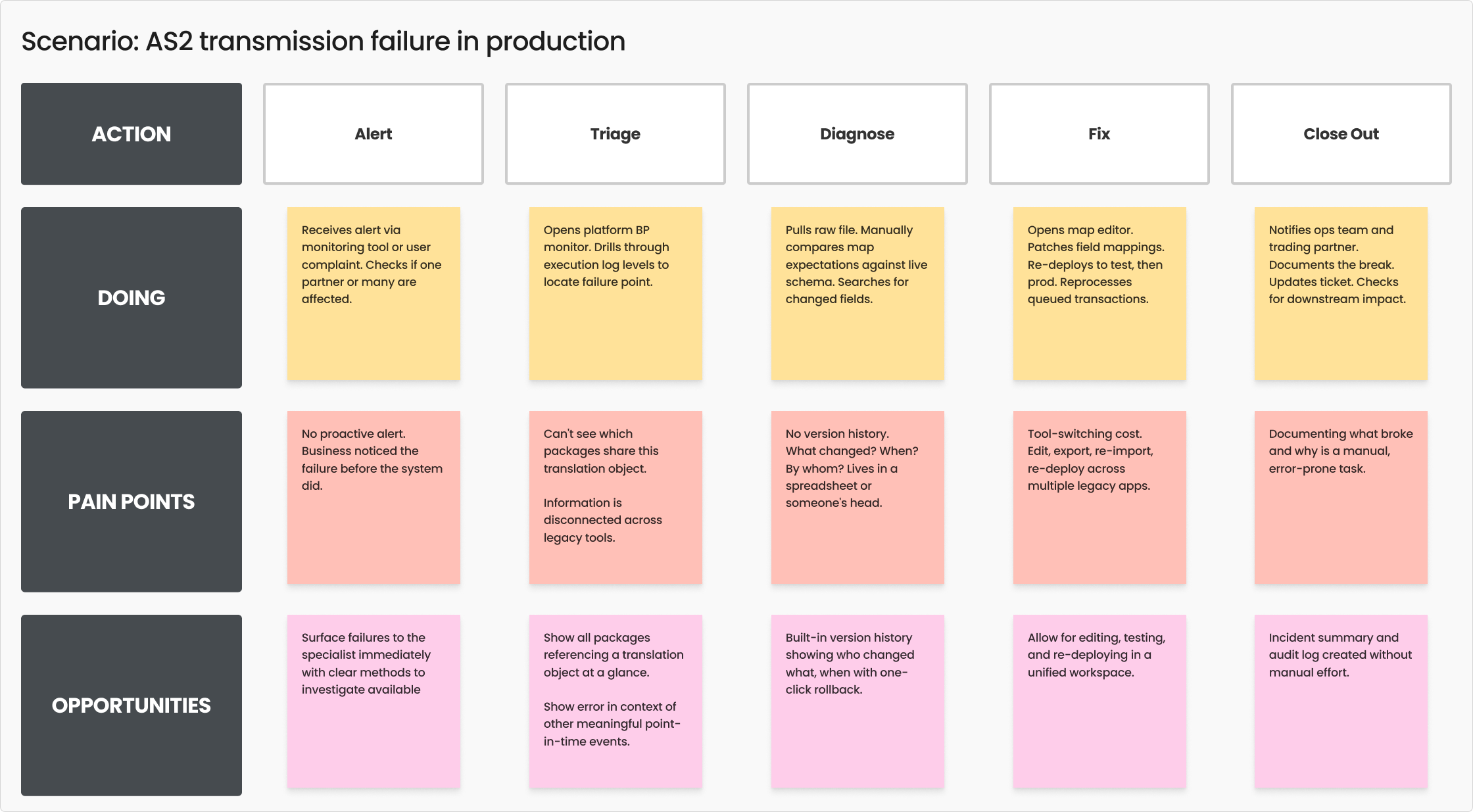
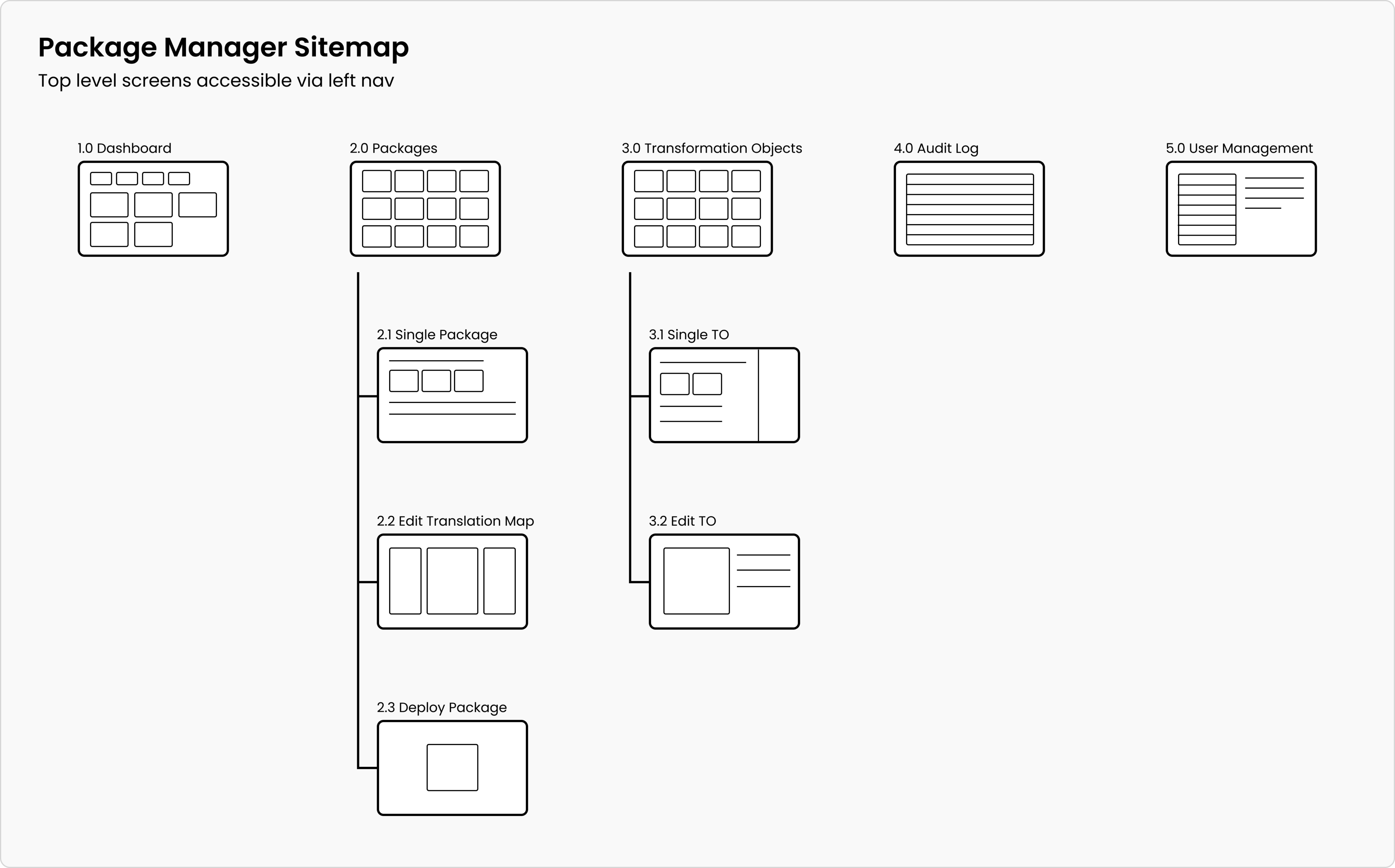
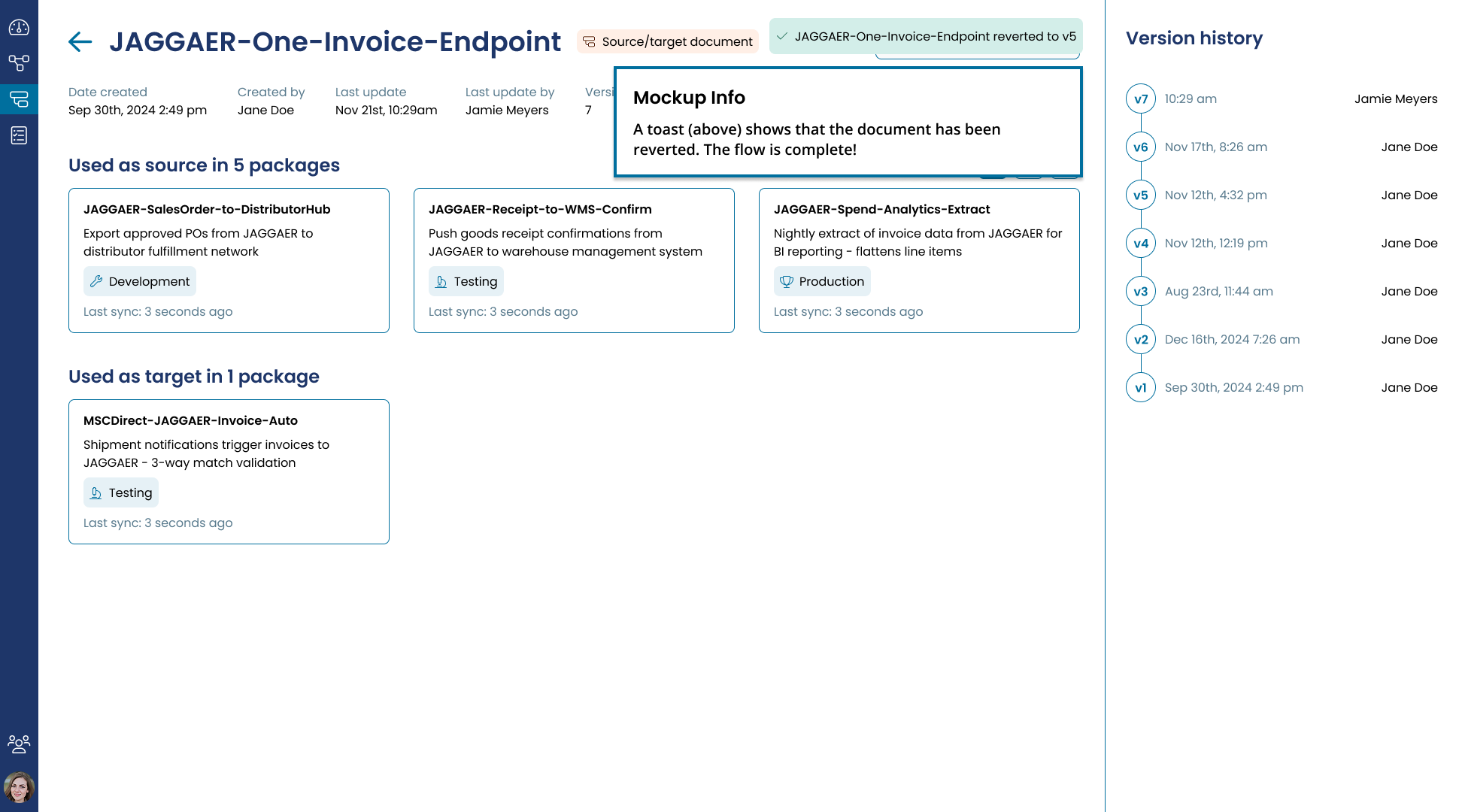
This project was an exercise in creativity where AI became a vector for that creativity. Knowing nothing about EDI at the outset, AI helped with plain-language explanations backed by good sources and let me steer my learnings towards the problems I’m most well positioned to solve. It gave crit on my research outline, interview questions, and design choices. It analyzed and clarified user interview responses. It helped me explore visual and functional treatments. I felt empowered having a coprocessing system I could rely on to solve a complicated problem.
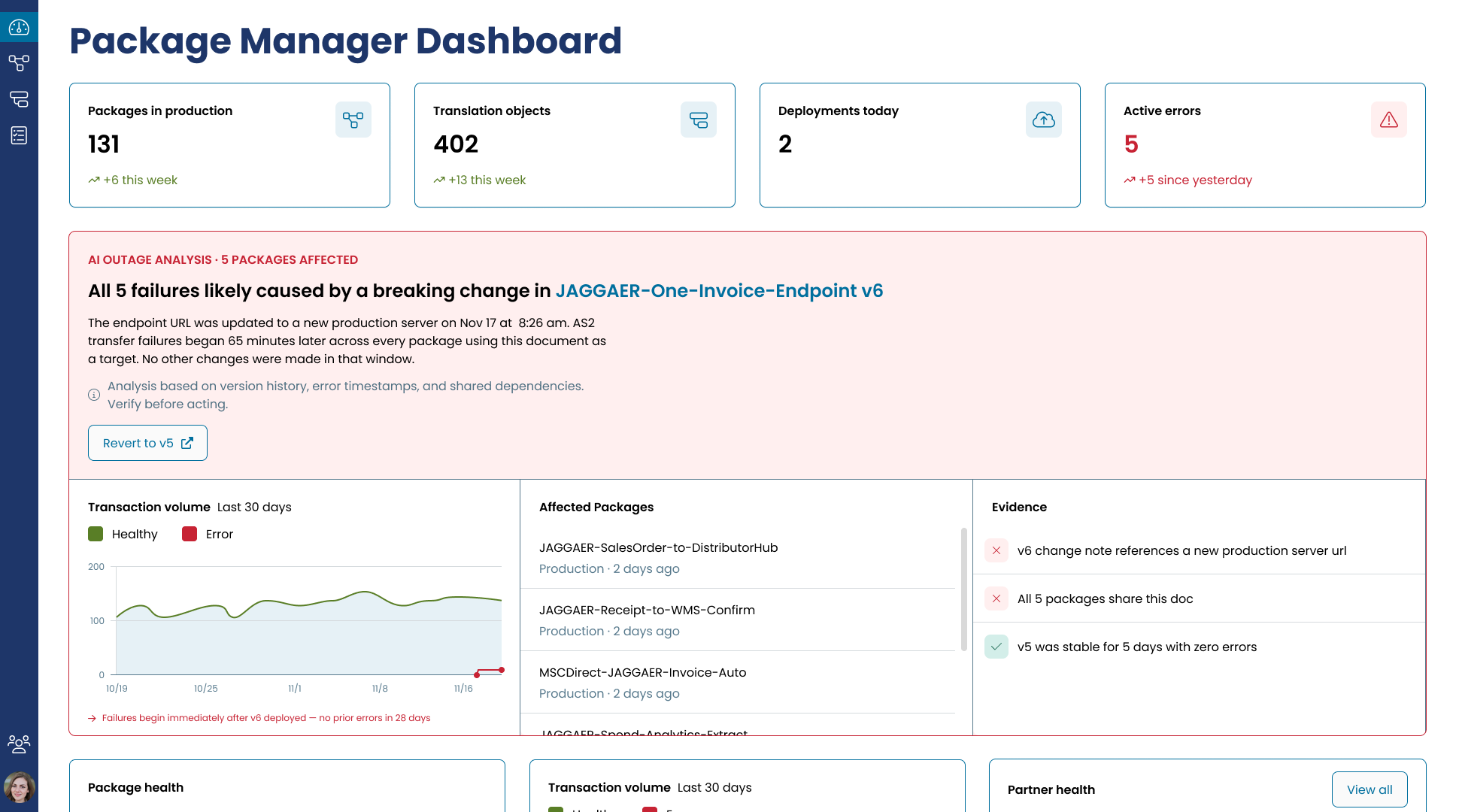
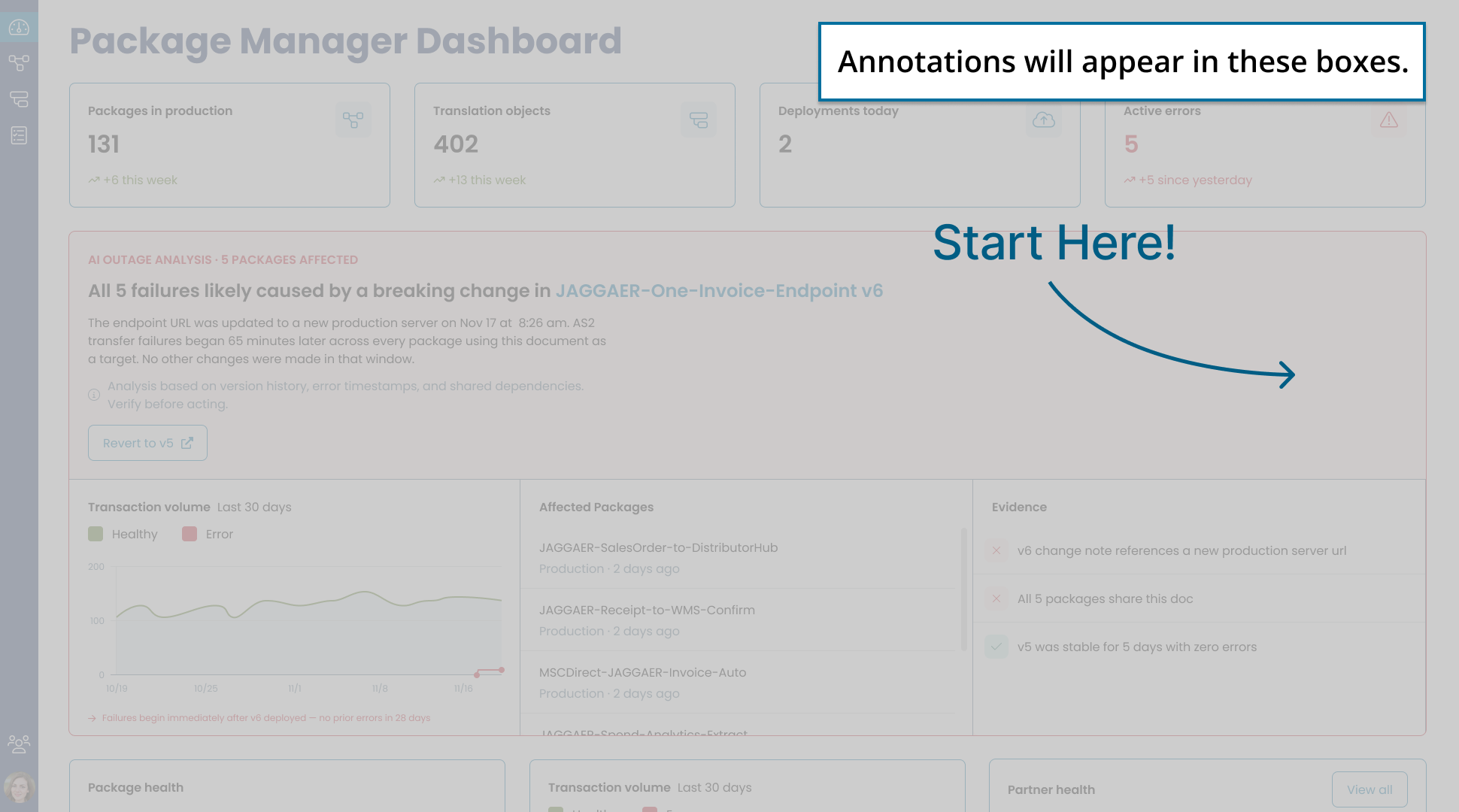
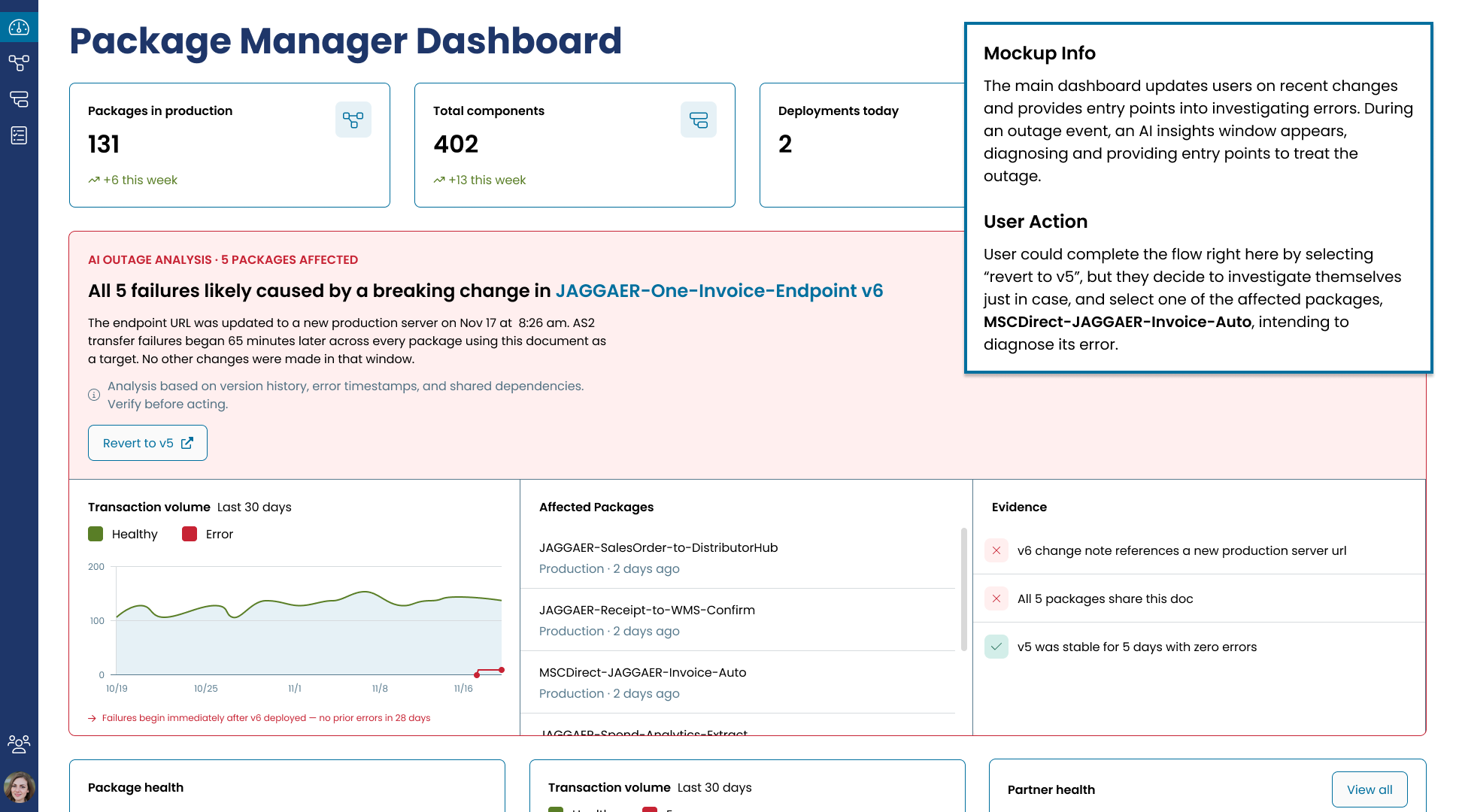
If I could take this project further it would be through the AI insights on the dashboard. The feature is built on a real observation, that EDI tools already have everything needed to diagnose most failures but don’t connect the dots for you. What I didn’t get to answer is whether a specialist would trust that diagnosis enough to act on it. I’d love to explore how the AI could best show its work when diagnosing each of the common reasons for outages.